
One of the criminals who hung there hurled insults at him: “Aren’t you the Messiah? Save yourself and us! But the other criminal rebuked him. “Don’t you fear God,” he said, “since you are under the same sentence? We are punished justly, for we are getting what our deeds deserve. But this man has done nothing wrong.” Then he said, “Jesus, remember me when you come into your kingdom” Jesus answered him, “Truly I tell you, today you will be with me in paradise.” (Lk 23: 39-43)
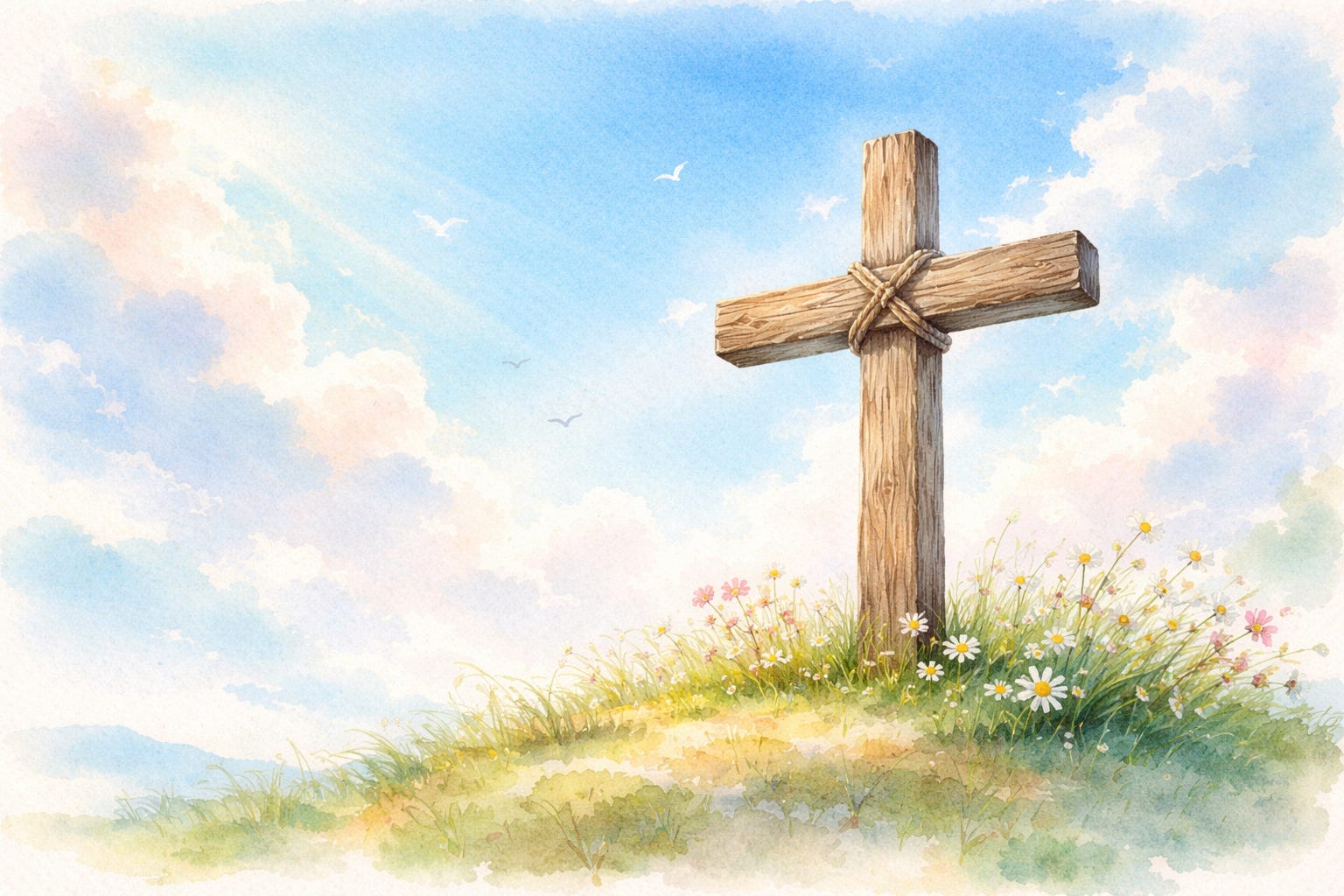
The real significance of the second statement of Christ from the Cross can be understood only in the context of the two criminals who were crucified with Christ and their differing responses. One of the criminals, who was crucified along with Jesus, insults Jesus. He remains unrepentant. Moreover, he thinks of the Messiah only in terms of power and how he can make use of that power for his escape from punishment well-deserved. The question of morality does not influence him and hence, he is not remorseful.
Christianity today has become another religion like any other religion, concerned more about power and its benefit to oneself, than about living a moral life in keeping with gospel values.
The second one, the criminal who was promised entry into paradise, acknowledges the following: 1) “We are punished justly, for we are getting what our deeds deserve.” He acknowledges his sinfulness; he is remorseful and repentant. As we sit at the foot of the Cross, we should carefully examine our attitude: whether it is that of the one who insulted Jesus or that of the one who acknowledged his total unworthiness and depravity. 2) He recognised in that crucified, broken, powerless and disfigured human figure the Messiah, the anointed King, the one who could give back his life and his life in all its abundance, his saviour. Hence, he turns to Jesus and requests him, “Jesus, remember me when you come into your kingdom.” 3) What this criminal asks Jesus is not that he is spared of the suffering on the cross, but that Jesus “remembers” him when He comes into His Kingdom. To remember is to bring something of the past into the present and to make it alive and active. This criminal and his prayer have found a place in the liturgy, especially that of the Eastern Churches.
The word from the Cross was in reply to the request of the repentant criminal: “Truly I tell you, today you will be with me in paradise.” Firstly, we should note how, even in that situation of extreme agony, Jesus responded to the criminal’s request with such love and urgency. Jesus did not tell him that the experience of paradise would be given to him at a later time; instead, he affirmed that it had become already a reality. He will be given a place in paradise not tomorrow, but today itself. Jesus told Zacchaeus, the tax collector, “Today I must stay at your house”. Secondly, Jesus also affirms that his crucifixion is nothing but his coronation as King. Thirdly, he declares that this criminal also will participate in his royalty.
Paradise originally is a Persian word for a nobleman’s garden. When a Persian king wished to honour somebody, he would make him a companion to walk with him in the garden. He tells the criminal that he will not simply be in Jesus’ retinue but he will be sharing in his royalty. Paradise is not a place but an experience. Heaven is not some place beyond and after, but it is an experience to which Jesus invites us today, in this life and in this world – a new heaven and a new earth. This is marvellous grace. Here is a criminal not fit to live on earth, who was suddenly made fit to live in heaven.
~ Prayer ~
O God, on the Cross of Christ, you manifested the depth of your love for us. When we ask that we be remembered, you offer us a place of honour in your paradise. Help us to be remorseful of our sins and not be found among those who want to manipulate you for their own selfish ends. Help us to see your glory in your abandoning yourself for us in love and taking upon yourself our burdens and sickness; by your brokenness you brought healing to us, by your poverty, you made us rich. Help us to follow this example that we may also share in your glory and be companions with you in your paradise. This prayer is offered trusting in your love that offers us a place of honour with you in paradise.
Amen.