
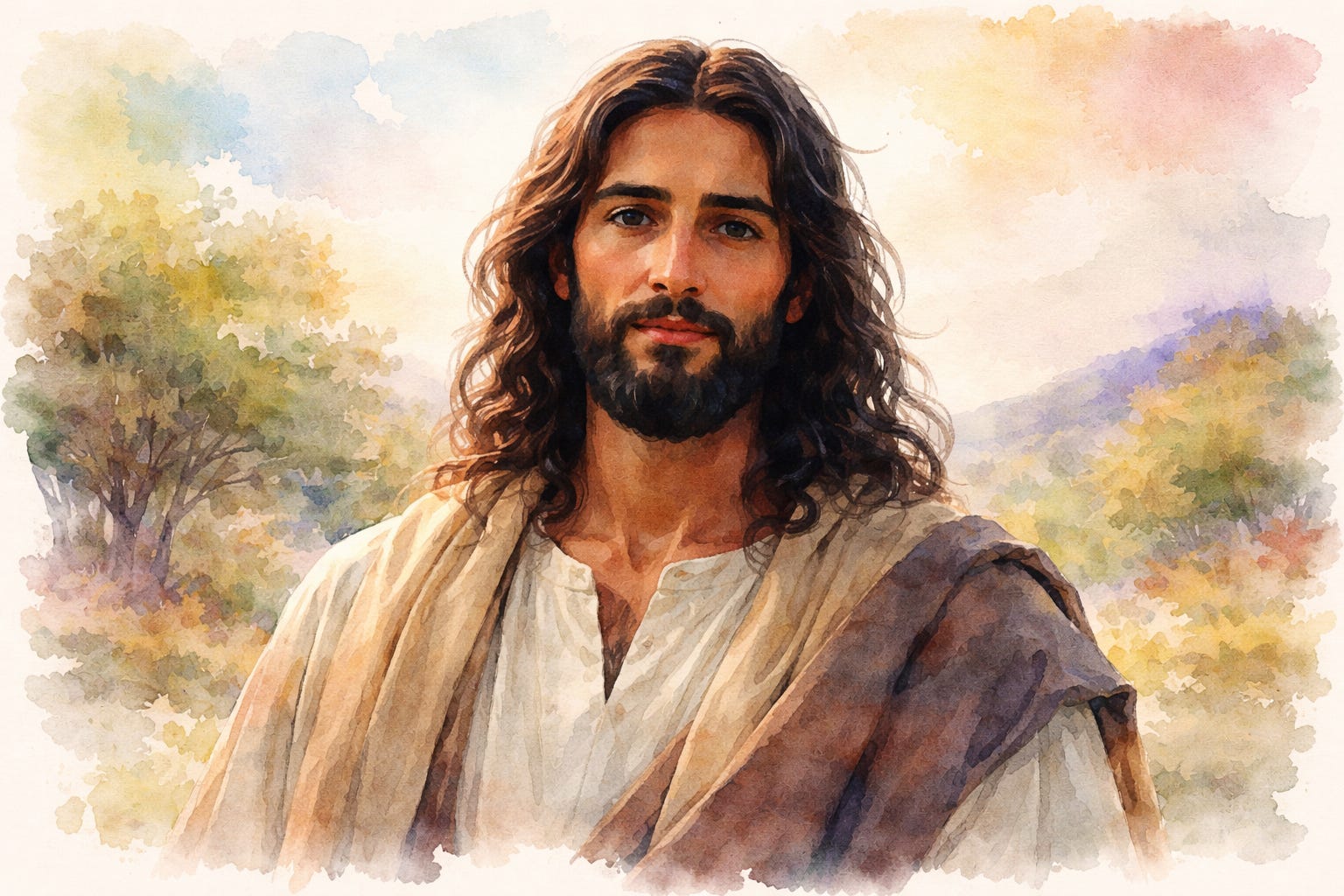
Jesus called out with a loud voice, “Father, into your hands I commit my spirit.” When he had said this, he breathed his last. (Lk 23: 46)
Jesus’ words from the Cross began with prayer and also ended with prayer. Both prayers began by addressing God as “Father”, in the most endearing way in which one would address one’s father. Even at the moment of an ignominious death as that of crucifixion, when one’s experience would be that of God-forsakenness, Jesus affirms his intimacy with his heavenly Father.
For Jesus, prayer was an occasion in which he attuned himself to the will of his heavenly Father. This verse manifests the supreme expression of spiritual trust, victory and peace. Jesus was, in fact, at this moment of extreme suffering, reciting verses from a Psalm that his mother might have taught him to pray before going to bed. “Into your hands I commit my spirit; deliver me, Lord, my faithful God.”(31: 5)
Jesus remains in control to the end, and it is he who handed over his spirit to his father. The first prayer from the Cross was one of forgiveness; the last prayer was an expression of spiritual trust and peace. Jesus ends his life with a victory that is complete and a peace that is indestructible. Jesus dies with full consciousness earnestly commending himself to the father.
As someone once said, “What we are witnessing as we stand before the crucified Christ is not death, but life – life so vividly and intensely alive that it meets death and goes down into nothingness.” Death is swallowed up in victory. To be alive is to be aware of what others have failed to notice; to be alive is to see ordinary things in an extraordinary way; to be alive is to be sensitive to new truths, to respond flexibly to unforeseen demands.
Jesus was alive; he was alive to the end, till his death. Jesus was alive to the dehumanizing forces around him; he was alive to the suffering of people around him; he was alive to the working of God in the midst of the imperfections, depravity and disfigurement. He turned them as occasions to glorify God, to announce the rule of God. He lived in complete responsibility to God and fellow human beings and the world. Will we be able to lead such a life as this?
Such a word as this can come only from a person who had lived his life to its fullness. What makes death so threatening and fearful is the feeling that one has not lived one’s life to its fullness; life is yet to be lived; we need a tomorrow to live it in its fullness. So we yearn for a tomorrow; we cling on to life with tenacity. We cling on to wealth, possessions, work, status and positions in life – things that can only provide a semblance of life.
On the Cross, Jesus unravels the secret of true aliveness and the true joy of life. The secret of true aliveness is to be able to lose one’s life to gain it, to give one’s life to eternity. “Anyone who loves their life will lose it, while anyone who hates their life in this world will keep it for eternal life.” (Jn 12: 25)
“This was the first prayer that every Jewish mother would teach her child to say last at night. Even on the Cross Jesus died like a child falling asleep in his father’s arms.” (William Barclay) The use of this prayer fits the evening of life as it does the evening before sleep, sleep being regarded as the threshold of death. Our sleep and rest each night should be a preparation for our final rest. If the faith, victory, aliveness, peace and self-fulfilment that are manifested in this prayer be ours both in our life and death, we must also be imbued with the same sense of mission, commitment and faith that Jesus Christ had in his heavenly Father.
Our death as much as our life should be a witness to our life in Christ. After the last word from the Cross, we read in Luke’s gospel that he breathed his last. The centurion, seeing what had happened, praised God and said: “Surely this was a righteous man.”
In the Gospel of Mark, the evangelist gives more emphasis to how Jesus died: “And when the centurion, who stood there in front of Jesus, saw how he died, he said, ‘Surely this man was the Son of God!’” There was dignity, majesty, beauty and love in such abundance in the way Jesus died on the Cross that the Roman Centurion could not restrain himself from praising God and confessing that Jesus was the Son of God, a man sent from/of God. This is a testimony by a gentile officer that will reverberate through history to one who was crucified as an accursed criminal by the rulers and nobility of his time.
“Yet that scaffold sways the future,
And behind the dim unknown,
Standeth God within the shadow,
Keeping watch above His own.”
~ Prayer ~
O Lord Jesus Christ, Son of the Living God, who at the ninth hour of the day, with outstretched arms and bowed head, did commend your Spirit to God your Father, and by your death unlock the gates of paradise, mercifully grant us that in our life and death, we may be found worthy witnesses to your Lordship and thus, enter into your eternal rest that you have promised to us in Jesus Christ, who lives and reigns with the Father and the Holy Spirit world without end.
Amen.